

Commercial – Mold Damage
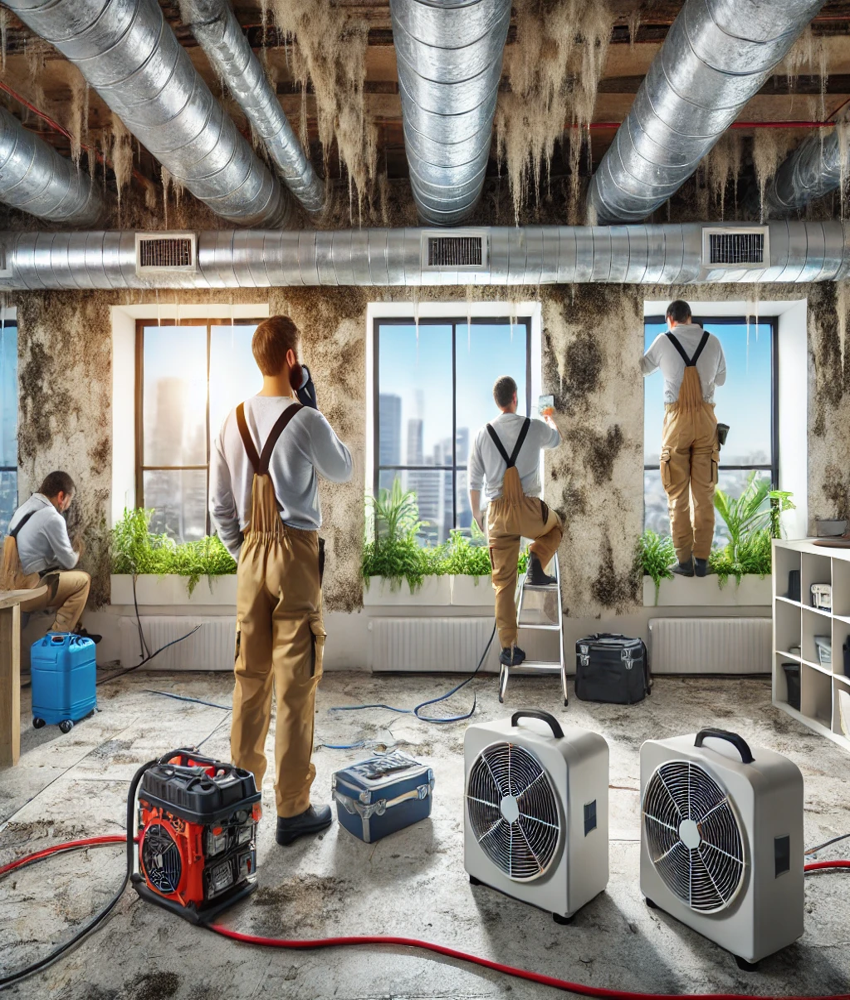
Comprehensive Mold Inspection and Remediation for Georgia Businesses...
In Georgia’s humid subtropical climate, characterized by over 50 inches of annual rainfall and occasional hurricanes, mold growth can become a significant concern for local businesses. The combination of high humidity, frequent storms, and warm temperatures creates an ideal environment for mold spores to thrive if not properly managed. From coastal marshlands to the Piedmont red clay regions, moisture intrusion is common, especially in buildings with vulnerabilities such as pier-and-beam foundations or red clay basements. Recognizing these risks early is essential for maintaining a healthy, safe workspace.
Georgia’s diverse geography—from the coastal areas along the Atlantic to the Appalachian mountains—introduces unique challenges for mold inspection and remediation. Coastal businesses near marshlands often face high humidity levels and salt-laden air that can accelerate mold growth on building exteriors and interiors. In the Piedmont region, the red clay soil retains moisture and can seep into structures, especially in areas with poor drainage or damaged foundations. These conditions demand specialized inspection techniques to identify hidden mold issues that could impact the structural integrity of your commercial property.
Many Georgia commercial buildings, such as historic Southern brick structures and ranch-style suburban offices, are susceptible to mold development due to their construction materials and age. Brick facades may trap moisture, while older pier-and-beam foundations can harbor hidden mold colonies beneath floors and in crawl spaces. Additionally, the region’s climate causes seasonal fluctuations—ice storms in North Georgia can lead to ice damming and water intrusion, further complicating moisture control efforts. A comprehensive mold inspection considers these factors to accurately assess the extent of mold contamination.
Water damage from storms, flooding, or plumbing failures often precedes mold growth in Georgia businesses. The aftermath of hurricanes and heavy rains can introduce standing water into buildings, especially those near flood-prone areas like the Chattahoochee watershed or coastal zones. Without prompt intervention, trapped moisture promotes rapid mold proliferation, which can threaten employee health and damage property. Our mold remediation process emphasizes thorough moisture removal, ensuring that mold does not re-establish after initial cleanup, thereby protecting your investment.
Georgia’s red clay foundations and construction styles such as pier-and-beam setups require specialized inspection techniques to detect mold in hidden or hard-to-reach areas. Moisture can accumulate in crawl spaces or beneath flooring, especially when ventilation is inadequate. Our professionals utilize advanced moisture meters and infrared cameras to identify these concealed issues. Once detected, we implement targeted remediation strategies to eliminate mold colonies and restore a safe environment for your staff and clients.
Maintaining a mold-free environment is essential for Georgia businesses to comply with safety standards and promote a healthy workspace. Our comprehensive mold inspection not only identifies current mold presence but also evaluates potential future risks associated with Georgia’s climate and geographic conditions. We tailor our remediation solutions to suit each property’s unique needs, whether that involves structural repairs, improved ventilation, or moisture barriers. Trust our expertise to safeguard your business from mold-related hazards and ensure long-term indoor air quality.
Minimizing Business Disruptions During Mold Remediation in Georgia...
At Water Damage Repair of Georgia, we recognize that minimizing business disruptions during mold remediation is essential for maintaining your company’s operations and safeguarding your reputation. Georgia’s humid subtropical climate, with over 50 inches of annual rainfall and occasional hurricanes, creates the perfect environment for mold growth in commercial properties. Whether your building features historic Southern brick, pier-and-beam structures in Savannah, or modern ranch-style suburban offices, our team provides comprehensive commercial mold inspection to identify hidden moisture sources and mold hot spots quickly and accurately.
Effective workplace mold remediation in Georgia involves more than just removing visible mold; it requires controlling humidity levels, improving indoor air quality, and adhering to strict health and safety regulations. Our technicians utilize advanced containment methods and HEPA filtration to ensure mold spores are contained and removed without spreading to unaffected areas. This approach is crucial for protecting sensitive environments, such as offices, retail spaces, or industrial facilities, particularly in regions prone to humid conditions and occasional ice storms in North Georgia that can compromise building envelopes and foundation integrity.
Furthermore, we emphasize proactive business mold prevention strategies tailored to Georgia’s diverse building types, from red clay foundations to coastal marshlands and Appalachian mountain structures. Regular inspections and moisture control measures are vital for avoiding mold outbreaks that can threaten indoor air quality and worker health. Compliance with local health regulations and industry standards is central to our approach, ensuring your property remains safe and compliant while minimizing downtime. With our expertise, your Georgia business can maintain a healthy environment, even amidst the state’s challenging climate and geographical diversity.
Long-Term Mold Prevention for Commercial Properties...
Effective long-term mold prevention for commercial properties in Georgia requires a comprehensive approach that accounts for the state’s diverse climate and geographical features. From the humid subtropical conditions across the coastal marshlands to the mountain regions of North Georgia, moisture control is critical in preventing mold growth. The frequent 50 inches of annual rainfall, combined with occasional hurricanes along the coast and ice storms in the northern areas, creates an environment where moisture infiltration can occur rapidly. Therefore, proactive measures tailored to these conditions are essential for preserving the integrity and safety of commercial buildings.
Georgia’s varied architecture, including historic Southern brick structures, pier-and-beam designs typical of Savannah, and ranch-style suburban developments, each presents unique mold prevention challenges. Brick and masonry can trap moisture if not properly sealed, while pier-and-beam foundations are susceptible to moisture seepage from the ground, especially during heavy rains or flooding. Red clay foundations in many older buildings can retain water, fostering mold growth if drainage and ventilation are inadequate. Implementing targeted moisture management strategies for each building type is vital to long-term mold prevention and maintaining indoor air quality.
The region’s geography, particularly the Chattahoochee watershed and coastal marshlands, influences the humidity levels inside commercial structures. High ambient humidity combined with inadequate ventilation can lead to persistent dampness in wall cavities, crawl spaces, and basements. Regular inspections focused on these vulnerable areas are crucial, especially in coastal areas prone to flooding and in buildings near water bodies. Weather patterns such as ice storms in North Georgia can cause ice damming and water leakage, further increasing the risk of mold. A tailored, proactive approach helps identify and mitigate these issues before mold becomes a widespread problem.
In Georgia’s humid climate, controlling indoor moisture is paramount. Installing high-efficiency vapor barriers, proper insulation, and robust dehumidification systems helps prevent condensation that fosters mold growth. Regular maintenance of HVAC systems ensures they are functioning correctly to control humidity levels and remove excess moisture. Additionally, sealing red clay foundations and inspecting crawl spaces for leaks can prevent water intrusion. Outdoor drainage systems should be routinely checked and cleared to divert rainwater away from foundations, reducing the risk of long-term moisture problems that encourage mold development.
Preventing mold in commercial properties also involves a diligent maintenance plan that emphasizes early detection and remediation. Routine inspections should focus on areas prone to moisture accumulation, such as basements, attics, and areas with poor ventilation. Employing moisture meters and mold detection technologies can help identify hidden issues before they escalate. Given Georgia’s susceptibility to hurricanes and heavy rainfalls, emergency preparedness plans should include protocols for rapid water extraction and drying procedures to minimize mold growth after flooding or leaks.
Education and staff training are equally important components of long-term mold prevention. Building managers, maintenance teams, and tenants should be aware of common signs of moisture problems and mold presence. Encouraging prompt reporting of leaks, condensation, or musty odors ensures issues are addressed swiftly. Implementing strict water intrusion protocols and routine inspections tailored to Georgia’s climate, geography, and building types will significantly extend the lifespan of commercial properties and safeguard the health of occupants. Prioritizing moisture control and proactive maintenance creates a resilient environment capable of resisting mold growth over the long term.

Commercial
Fast, Reliable Water Damage Repair
Act now! Contact our 24/7 team for immediate water damage restoration and protect your property today.
Call Water Damage Repair of Georgia for a free estimate today!
Our team is standing by to assist you with all your needs. Give us a call today !