

Residential Mold Remediation
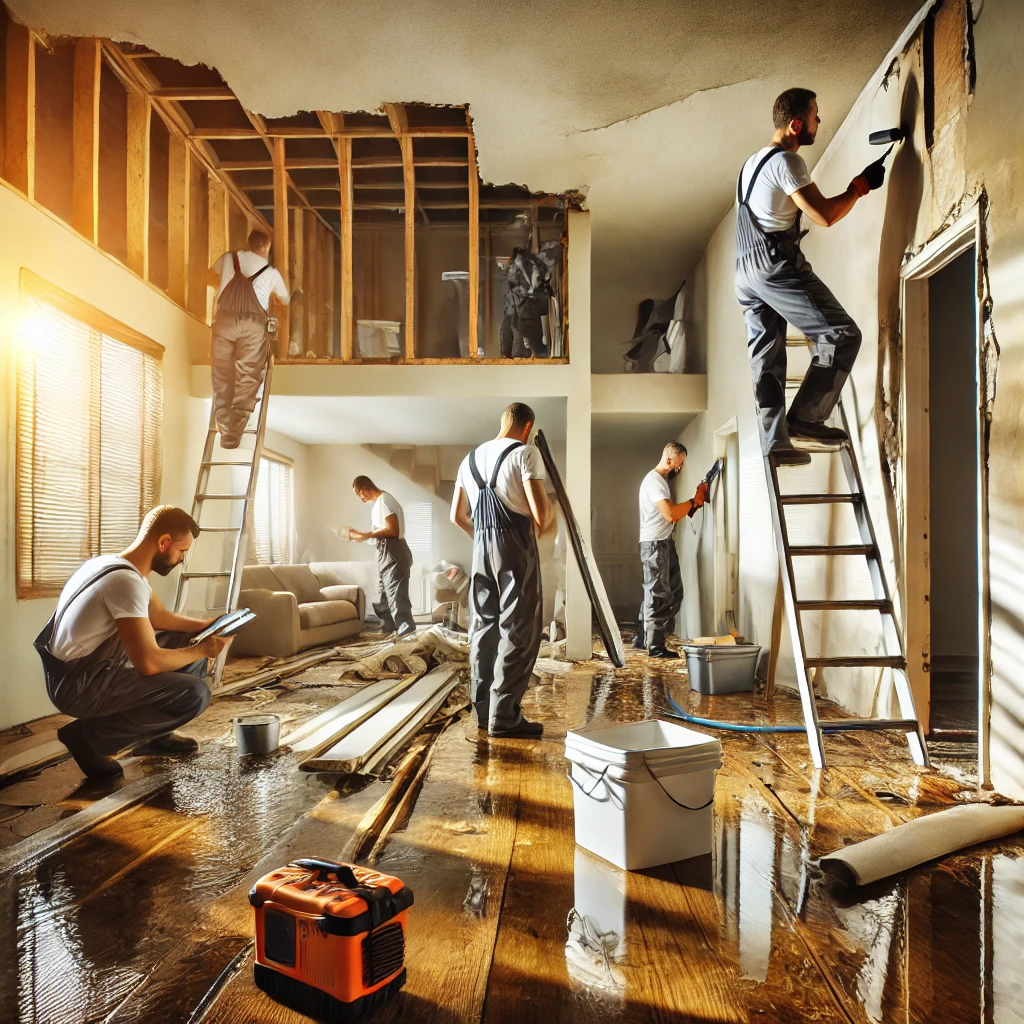
Quick Response to Residential Water Damage...
Mold remediation is a critical service aimed at removing mold growth from your home to protect your family’s health and preserve the integrity of your property. When excess moisture penetrates your living spaces, mold can begin to develop within 24 to 48 hours, spreading quickly and silently. The process involves a thorough assessment to identify the extent of contamination, followed by containment to prevent spores from spreading to unaffected areas. Trained professionals then use specialized techniques and equipment to eliminate mold colonies, clean affected surfaces, and address the underlying moisture issues that allowed the mold to thrive. This comprehensive approach is essential for restoring a safe and healthy environment for your household.
Speed is crucial in mold remediation because mold growth can compromise indoor air quality and cause structural damage if left untreated. Prolonged exposure to mold can trigger allergic reactions, respiratory problems, and other health concerns, especially for children, elderly family members, or those with pre-existing conditions. By acting quickly, homeowners can minimize the impact on their living environment and reduce the need for costly repairs. A common concern is whether mold remediation will disrupt daily life significantly. While some inconvenience is inevitable during the cleanup process, professionals strive to contain the affected areas and work efficiently to limit disruption. Clear communication about the steps involved helps families prepare and feel more at ease throughout the remediation.
The mold remediation process begins with an initial inspection and moisture assessment, often using moisture meters and infrared cameras to locate hidden dampness. Once the extent of mold growth is determined, containment barriers are set up to isolate contaminated zones and prevent airborne spores from spreading. Air filtration devices equipped with HEPA filters are used to capture microscopic particles, improving indoor air quality during cleanup. Contaminated materials, such as drywall, insulation, or carpet, may need to be removed and discarded safely. After thorough cleaning and disinfection, the area is dried completely to prevent mold from returning. Finally, a post-remediation inspection ensures that all mold has been effectively removed and the environment is safe for re-occupancy.
Many clients ask whether household belongings can be saved during mold remediation. The answer depends on the extent of contamination and the type of items affected. Porous materials like upholstered furniture, mattresses, and paper products are often difficult to salvage, while non-porous items can usually be cleaned and restored. Protecting personal belongings is a priority during remediation, and specialists take great care to preserve what they can. Ignoring mold growth or delaying remediation can lead to serious long-term consequences, including irreversible damage to your home’s structure such as wood rot and weakened foundations. Additionally, persistent mold can cause ongoing health issues for your family and reduce the overall value of your property.
Understanding the importance of timely mold remediation helps homeowners make informed decisions that safeguard their family’s well-being and protect their investment. The process requires a combination of technical expertise, specialized equipment, and a commitment to thoroughness. By addressing both the mold and the moisture source, remediation professionals help prevent recurrence and create a healthier living space. Homeowners can expect clear guidance throughout the process, including advice on how to maintain a dry environment and monitor for future signs of mold. Ultimately, prompt and professional mold remediation is essential to minimizing household disruption and preserving the comfort and safety of your home for years to come.
Comprehensive Residential Water Damage Assessment...
In Georgia’s humid subtropical climate, heavy rains, hurricane remnants, and occasional ice storms can cause unexpected water intrusion into residential properties. A prompt emergency water damage response is essential to mitigate the devastating effects of flooding, especially for homes with unique construction like Southern brick facades, pier-and-beam Savannah structures, or red clay foundations. Our team quickly assesses the affected areas, utilizing advanced moisture detection tools to determine the full extent of water intrusion, even in hidden spaces.
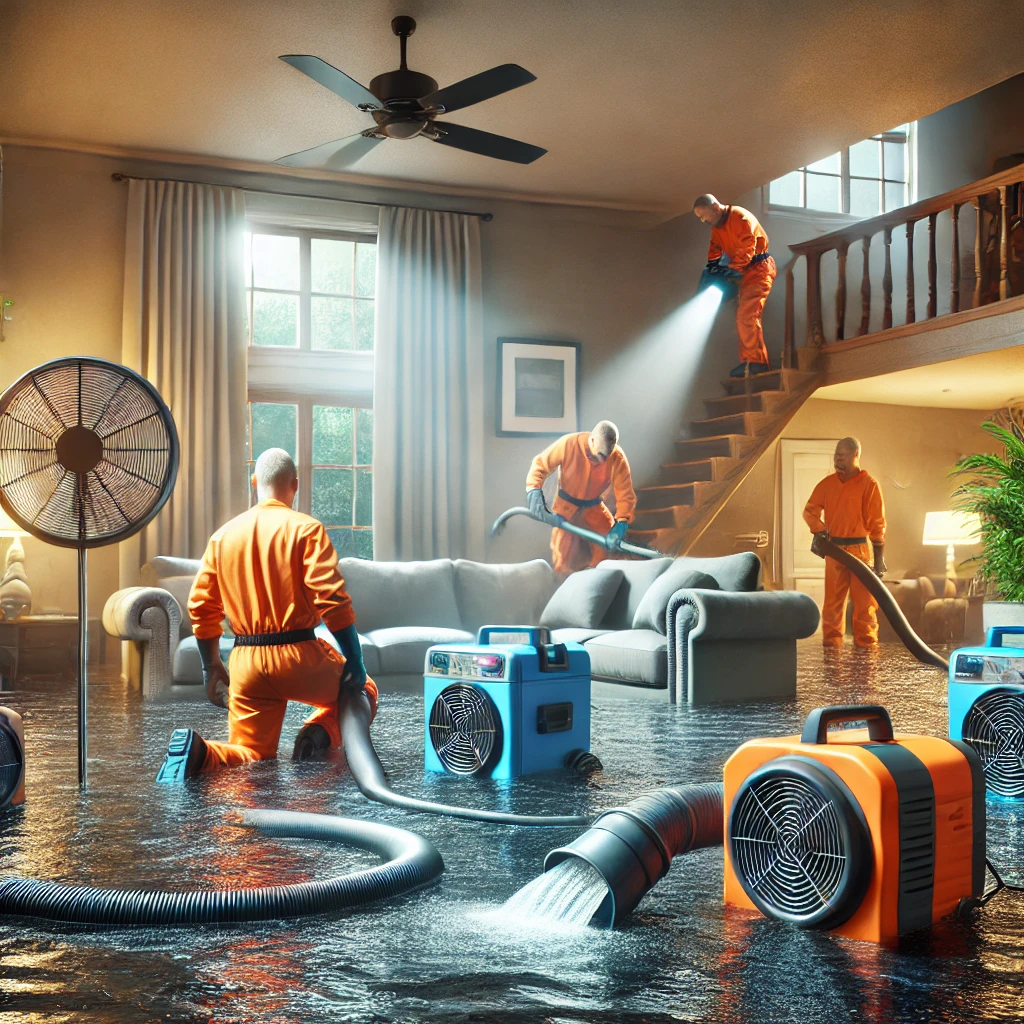
Once onsite, we prioritize efficient water extraction and thorough drying, targeting all moisture sources to prevent future issues like mold growth. For homes in Georgia’s diverse landscape—from coastal marshlands to Appalachian foothills—controlling humidity and removing excess moisture is critical to protect both the structure and the health of residents. Our experts employ industry-leading drying equipment and techniques tailored to the specific building type, ensuring that moisture levels are restored to safe standards. By addressing water damage swiftly and comprehensively, we help Georgia homeowners safeguard their properties against long-term damage and mold proliferation.
Restoring Your Home After Water Damage...
Once the initial water extraction and thorough drying are complete, the focus shifts to restoring your Georgia home after water damage with precision and care. Georgia’s diverse climate, from humid subtropical conditions to occasional hurricanes and ice storms in North Georgia, creates unique challenges for water damage restoration. Homes built with Southern brick, pier-and-beam foundations in Savannah, or red clay foundations in suburban areas require tailored approaches to ensure the structural integrity and safety of your property are fully restored. Our team understands these regional nuances and prioritizes comprehensive repairs that stand up to Georgia’s weather patterns.
In Georgia, the geographical diversity—from coastal marshlands to Appalachian mountains—means water damage can vary significantly in scope and severity. Coastal homes near Savannah and the Chattahoochee watershed are often vulnerable to flooding and high humidity, which can lead to mold growth and structural deterioration if not addressed promptly. Meanwhile, homes built on red clay foundations or pier-and-beam structures may experience shifting or settling after water exposure, necessitating specialized restoration techniques. Our experts evaluate each property’s unique conditions to develop a customized plan that ensures thorough drying and long-lasting repairs.
The humid subtropical climate of Georgia, characterized by approximately 50 inches of annual rainfall, often results in persistent moisture issues that can compromise your home’s integrity. In areas prone to hurricanes, floodwaters can cause extensive damage to both residential and commercial properties. Additionally, North Georgia’s occasional ice storms can lead to frozen pipes and subsequent leaks. These weather extremes demand swift action to prevent secondary damages like mold, rot, or foundation issues. Our restoration process includes advanced moisture detection and dehumidification, tailored specifically to Georgia’s climate, to safeguard your home’s future stability.
In homes with traditional Southern brick facades or ranch-style suburban layouts, water intrusion can weaken mortar joints or penetrate through red clay foundations, leading to structural instability. For pier-and-beam homes, water can cause wood rot and compromise support beams, posing safety risks. Our Georgia-based team employs specialized equipment and techniques to thoroughly dry out affected areas, remove contaminated materials, and restore the original aesthetic and structural soundness of your home. We understand the importance of preserving the local architectural integrity while ensuring the property is resilient against future water-related incidents.
Restoration in Georgia also involves addressing issues caused by the region’s distinctive geography, such as marshland flooding and mountain runoff. These conditions increase the risk of water intrusion in basements and crawl spaces, which can lead to mold growth and health concerns. Our technicians are trained to handle these complex situations, using moisture barriers, sump pumps, and mold remediation methods aligned with Georgia’s environmental regulations. We aim to restore your home’s safety, comfort, and value, regardless of the geographic challenges that may arise.
Ultimately, restoring your home after water damage in Georgia requires a comprehensive approach that considers local weather, geography, and building styles. Our team is dedicated to delivering fast, effective solutions that prevent future issues while returning your property to its pre-damage condition. From initial assessment to final finish, we prioritize quality workmanship and regional expertise to ensure your Georgia home remains a safe, dry, and beautiful space for years to come. Trust us to handle your water damage restoration needs with professionalism and local understanding that you can count on.
Residential
Fast, Reliable Water Damage Repair
Act now! Contact our 24/7 team for immediate water damage restoration and protect your property today.
Call Water Damage Repair of Georgia for a free estimate today!
Our team is standing by to assist you with all your needs. Give us a call today !